How to photographyour dog
A free, independent guide for dog owners and shelter volunteers: shutter speed, light, black fur and prints.
Find your settingsWorks for a phone or a camera. No gear to buy.
What matters most
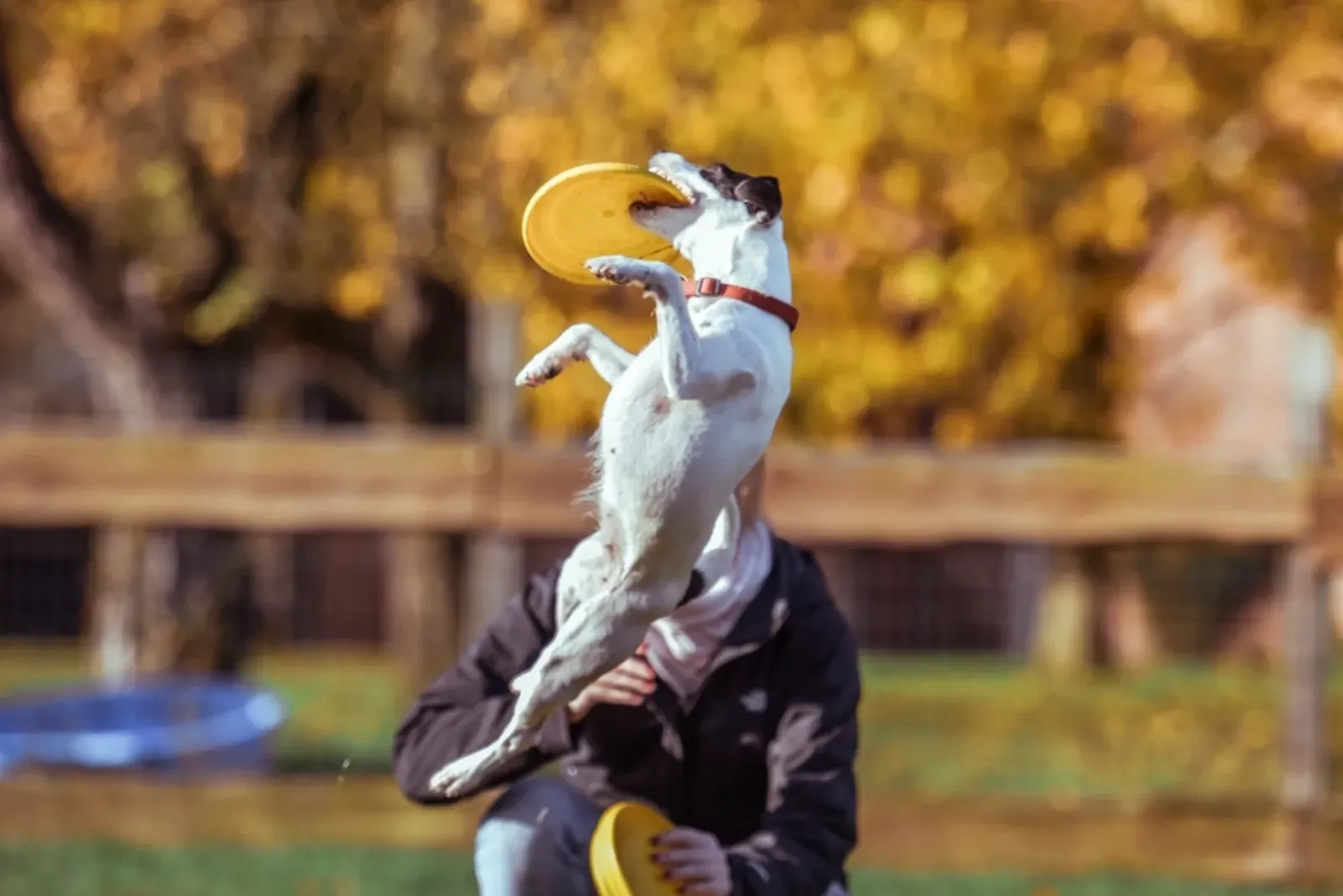
A running dog needs a fast shutter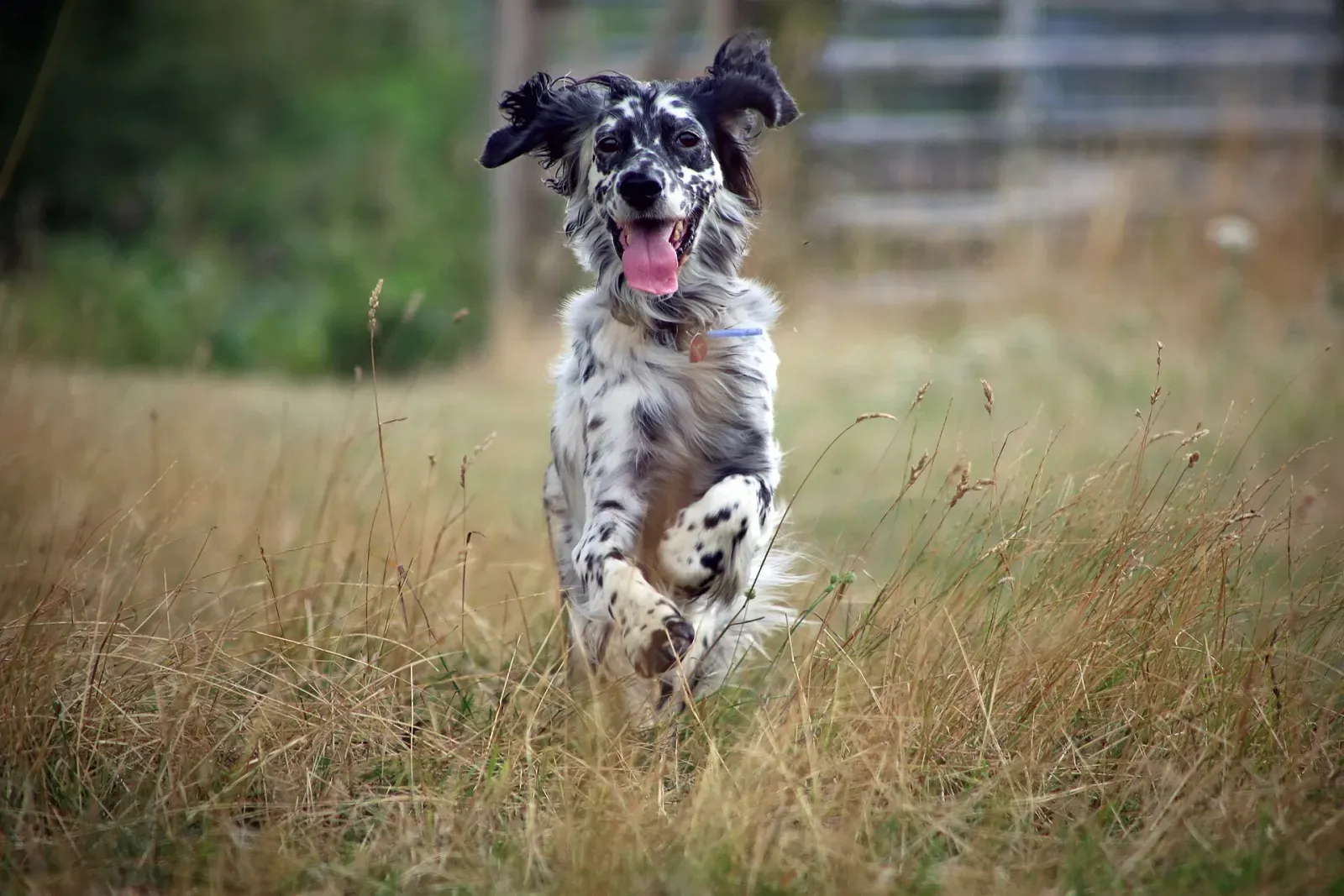 . Black fur needs more light than the meter thinks
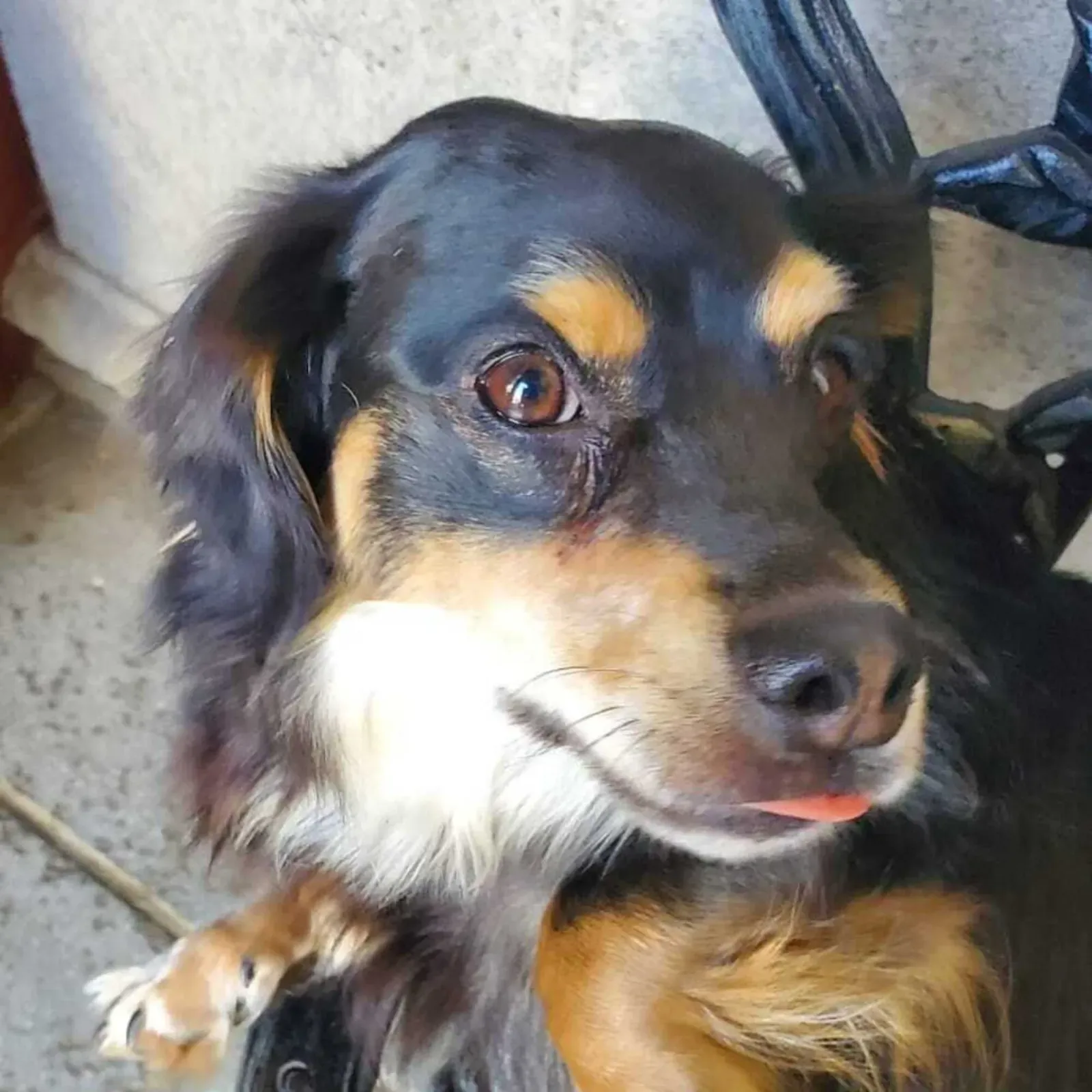 . A shelter dog needs a clean background
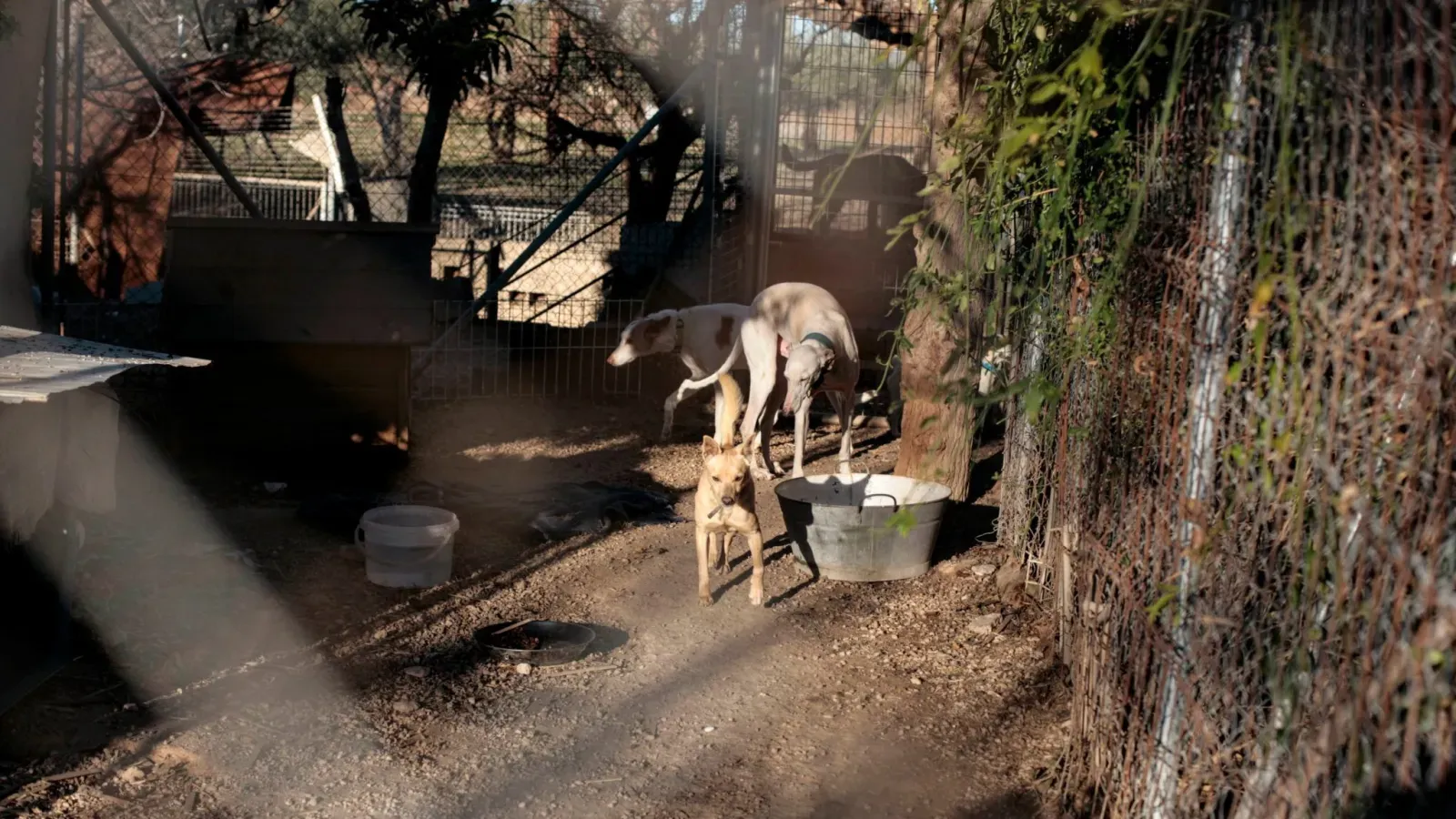 . Every portrait needs the eyes
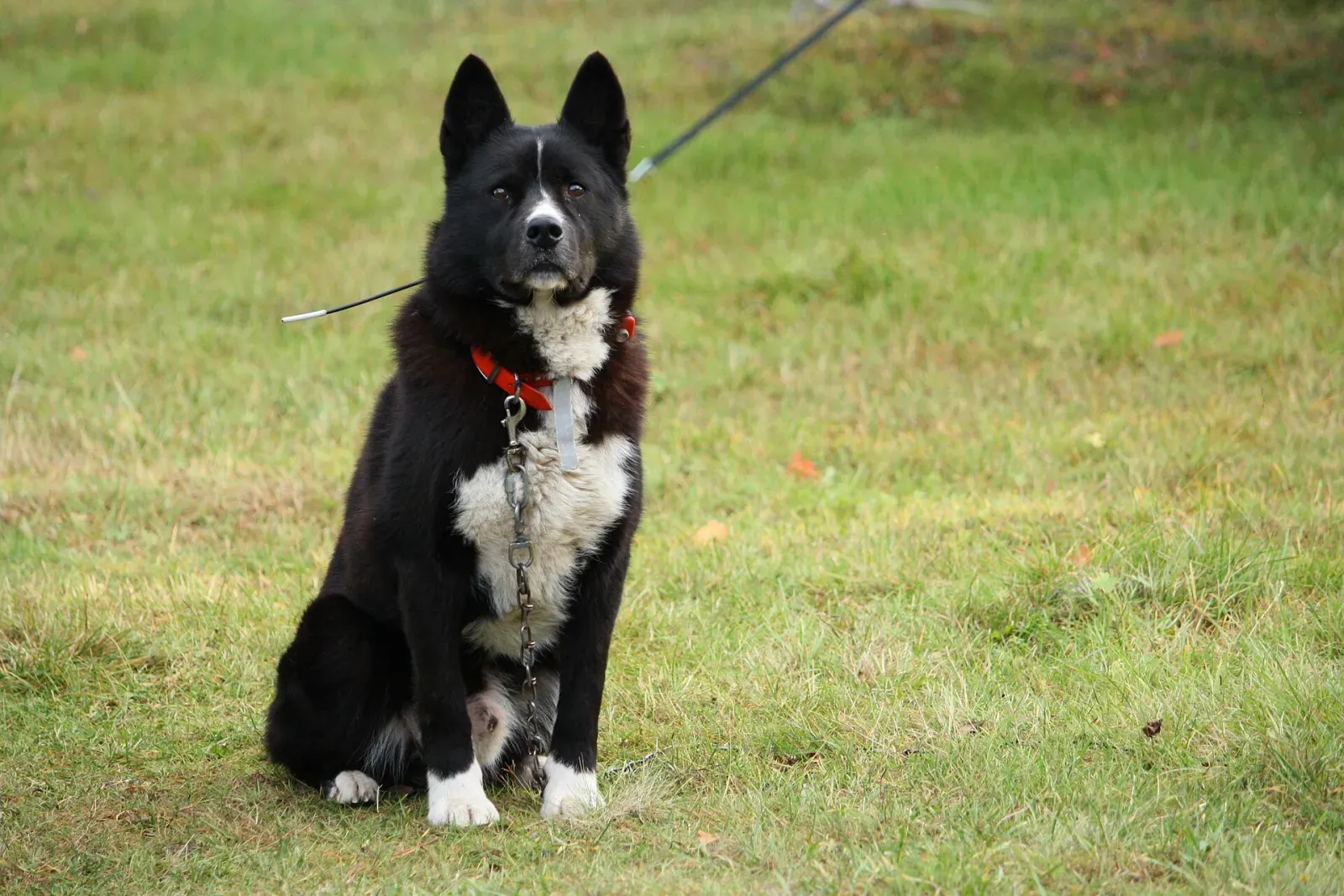 .
Each of those has its own page. Start with the black dog guide if your dog keeps coming out as a dark smudge, or the phone guide if you never carry a camera.
Four steps to a dog portrait
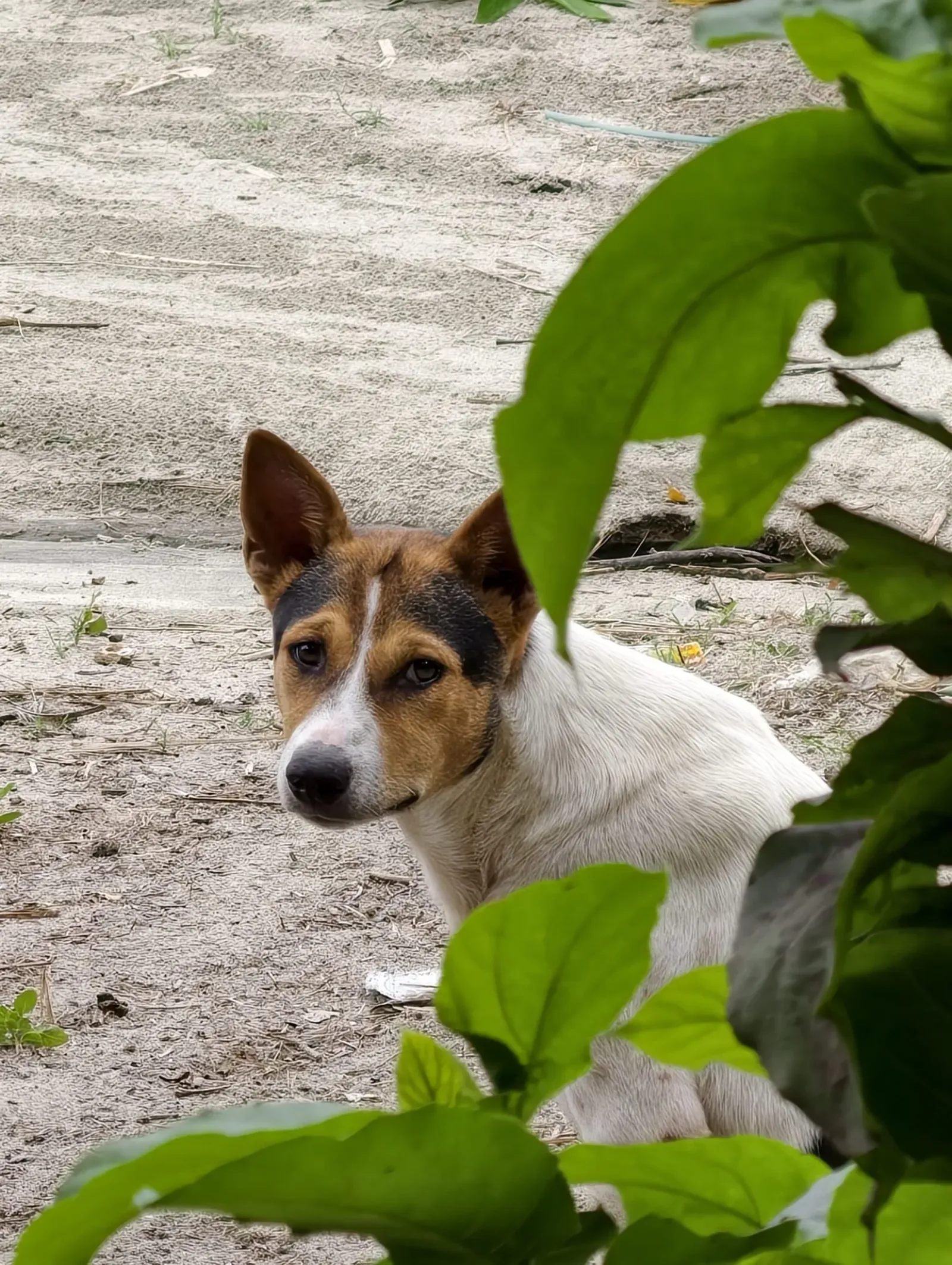
Sit. Pick a plain background and soft light, ask for a sit, then get down to the dog’s eye level. Shooting from standing height gives you the top of a head.
Wait. Let the dog settle. The first minutes are sniffing and checking the camera; the good frames come once you are boring.
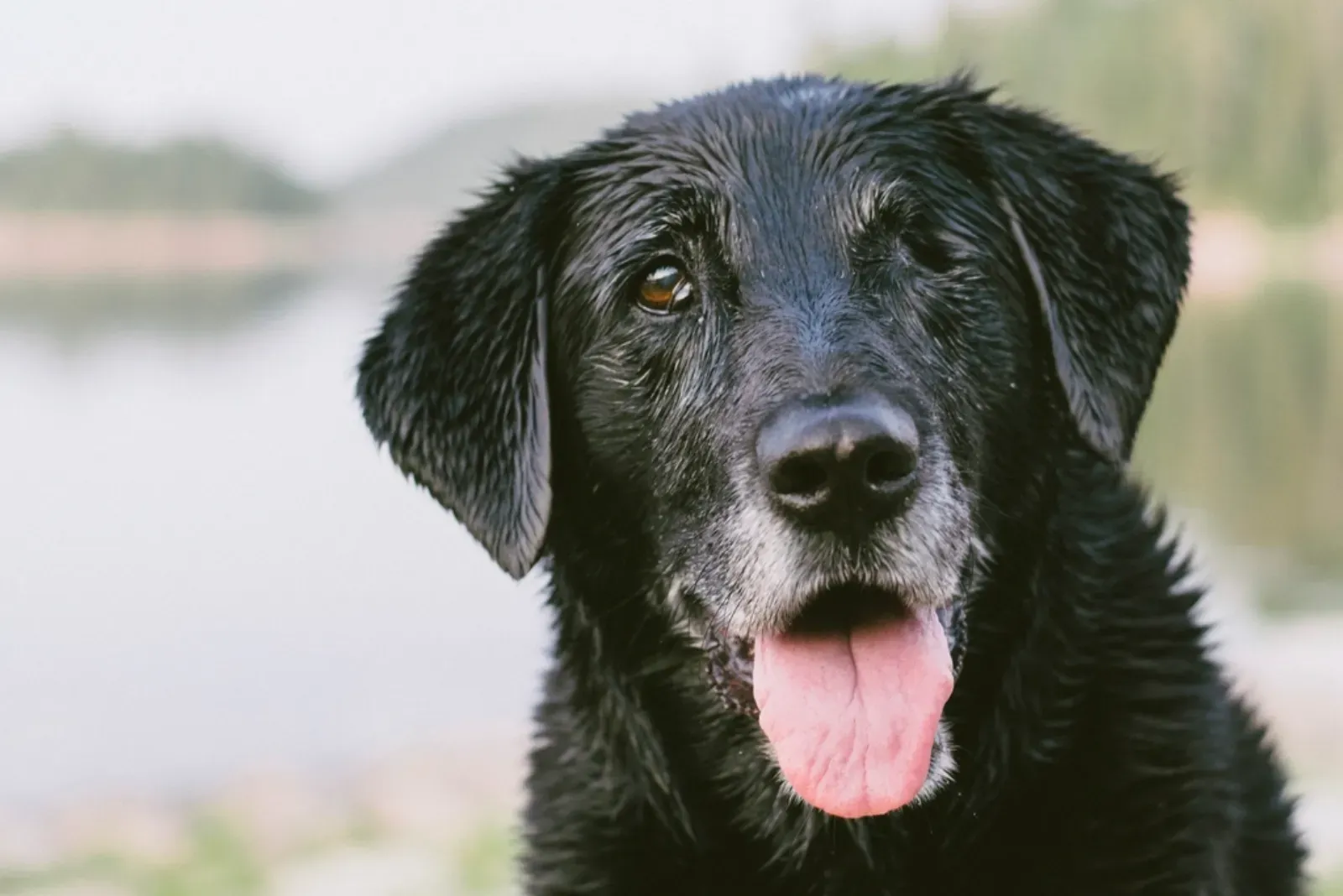
Squeak. One squeak or a rustle of the treat bag, a second before you press. Keep it rare: by the third squeak the dog has stopped caring.
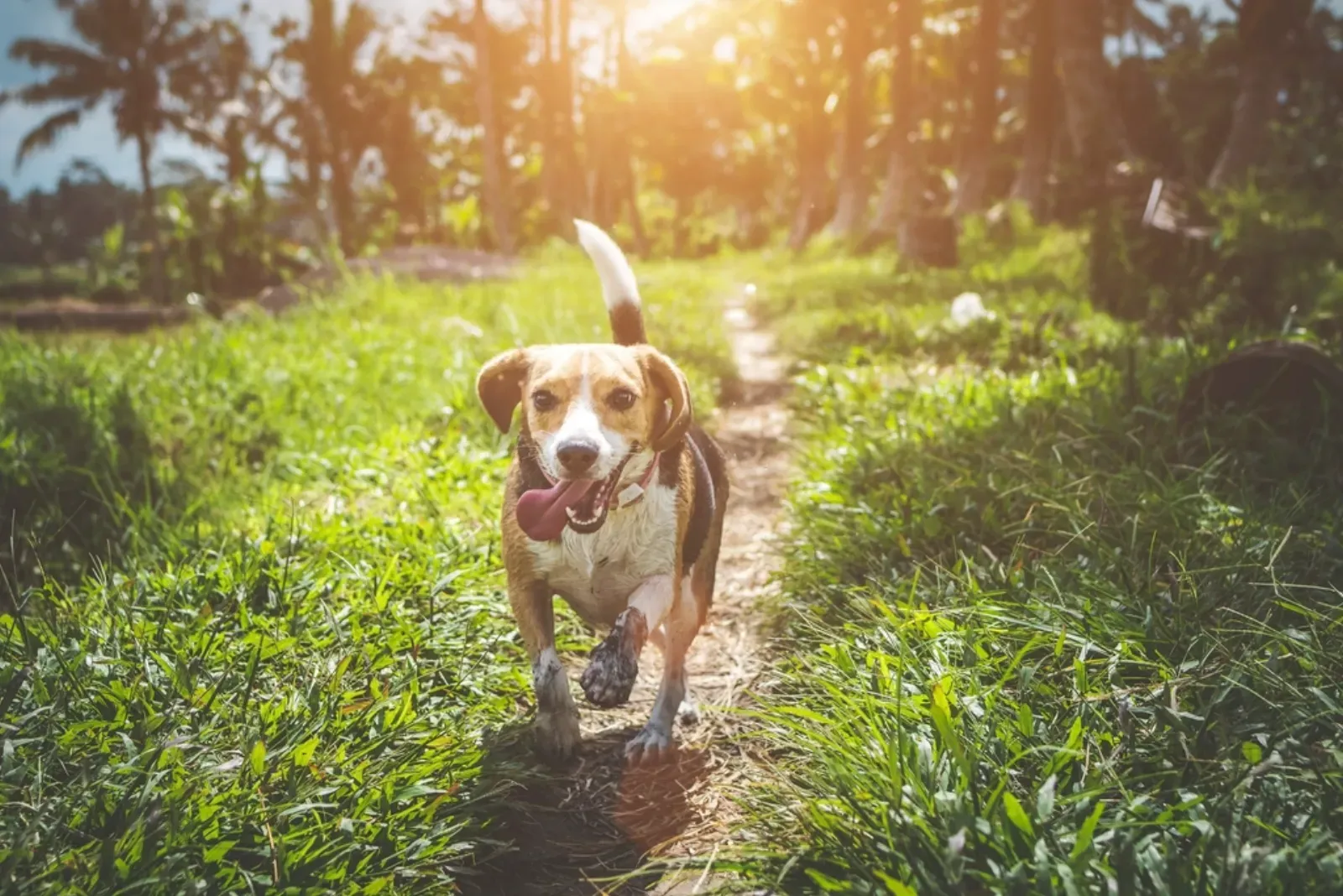
Shoot. Burst mode, focus on the nearest eye, and far more frames than you think you need. Most of a sequence goes in the bin, and that is normal.
Find your settings
Pick what the dog is doing, the light you have and your lens. You get the shutter speed that freezes the dog and the ISO it costs in that light.
1/1000
shutter speed, seconds
200
ISO
Plenty of light. The photo will be sharp and clean.
Questions
What shutter speed for a running dog?
Start at 1/1000 s. A trotting dog is fine at 1/500, a dog jumping for a ball wants 1/2000. For a dog sitting still, 1/250 is enough to stop a twitching ear.
Why are my dog photos blurry indoors?
Indoor light is a few hundred times weaker than sun, so the camera slows the shutter to compensate and the dog moves during the exposure. Shoot by a window, turn the lights on, or raise the ISO.
How do I get my dog to look at the camera?
Hold a treat or toy just above the lens and make a short, new sound right before you shoot. Dogs look at what is interesting, and a lens is not interesting.
Is portrait mode good for dog photos?
For a dog sitting still, often yes. Fur edges and ears confuse the depth effect, so check the outline and turn it off for moving dogs: the processing delay costs you the moment.
Flash or no flash?
A bare flash pointed at the dog gives red or green eyes and flat fur. Window light is kinder. If you must use flash indoors, bounce it off a ceiling or wall.